Small apps, honest prices. Why you see the price before you pay.
What honest pricing means in practice, why small single-job apps can afford it, and how to spot a pricing trap in any app before you pay.
You download an app to do one small thing. Before it does that thing, it asks you to subscribe. The price is hard to find. A trial starts before you understand what it costs. The cancel path is buried somewhere you would never think to look. Many people have lived some version of this, and it has taught them to flinch at every new app, including the honest ones.
Viral Labs is one person building small iOS apps. The studio runs on a short pricing rule. Every app is free to download and free to try, and the price is always shown before you pay. This post explains what that rule means in practice, why a small studio can afford to keep it, and how to spot the traps in any app you install.
The traps people learned to expect
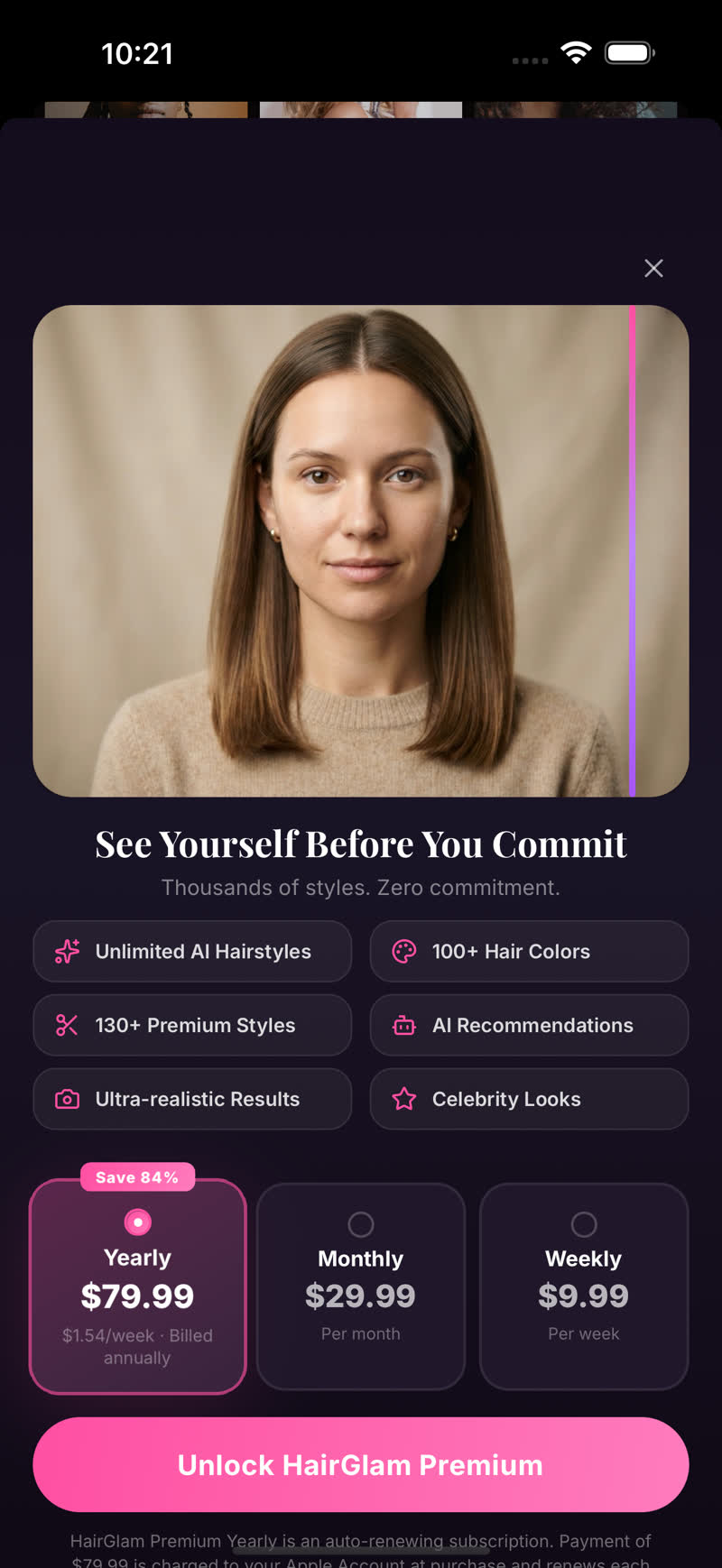
Spend a few minutes in the review section of almost any subscription app and the same complaints appear, written in different words by different people. The price was nowhere on screen until a payment sheet slid up. A trial converted quietly while they were busy living their life. The free tier turned out to be a hallway of locked doors. The billing period was chosen to make the number look small. Canceling took more steps than signing up did.
None of this happens by accident. Each pattern exists because it converts a little better than honesty does, at least for a while. The cost arrives later, as refunds, angry reviews, and people who now distrust the whole category. That last part is the real damage. Every app that plays these games makes life harder for every app that does not.
What honest pricing means, concretely
Three things, none of them complicated.
The price is visible before you pay. Not after a quiz, not after an upload, not three screens into a flow you cannot back out of. In a Viral Labs app, any optional upgrade shows its price before you commit to anything. You see the number, you see what the upgrade adds, and then you decide. That order matters. Price first, decision second.
The free tier does the real job. Free to try has to mean something. If the free version of an app never completes the task you came for, it is a demo wearing a free tier's clothes. A real free tier lets you finish the job at a small scale. Your decision to pay then rests on a result you already saw, in your own use, on your own photo or problem or workout.
No bait trials. A trial is not a trap by itself. A trial becomes a trap when it is designed to be forgotten: vague about its length, silent about what it converts to, and counting on you to lose track. An honest trial states its length and the price that follows before it starts. On an iPhone that information sits on Apple's own purchase sheet, where no app can hide it.
Why small apps can afford this
Viral Labs is independent and takes no venture capital. Nobody outside the studio is waiting on a growth curve, so no pricing decision has to serve one. That is just how the studio is set up, and it removes the main pressure that pushes apps toward tricks.
The size of the apps helps too. A tool that does one job has a short pitch for its upgrade: you tried the free tier, it worked, here is more of it. When the pitch is that short, there is nothing to hide. And if the pitch fails, the app deserves the lost sale and the maker deserves the feedback.
A one-person studio also feels the cost of a trick faster than a big one. There is no brand to hide behind and no support department to absorb the anger. The person who would set the trap is the same person who reads every email about it.
Two examples from our own shelf
KalTrack counts calories and macros from a picture of your meal. A few scans are free every day, and KalTrack Pro adds unlimited scans for people who want more.
GymPilot turns a workout video link into a structured workout you can follow on the gym floor. A few imports are free, and GymPilot Pro covers unlimited imports, program building, and full history.
The shape is the same in both. The free tier completes the real task at a small scale, and the upgrade price is on screen before any purchase begins. If the free tier convinces you, the paid tier is waiting. If it does not, you lost nothing.
How to spot a pricing trap in any app
These checks work on any app, ours included.
- Find the price before you tap anything inside the app. On the App Store, the listing shows in-app purchases before you even download. If the app itself hides the number until a payment sheet appears, treat that as a signal about everything else.
- Test the free tier against the job you came for. If every real result sits behind a lock, you have already seen the whole product.
- Read a trial's terms before it starts. How long, what it converts to, at what price. If those three answers are hard to find, walk away.
- Check the billing period twice. A small number per week can be a large number per year. Do the multiplication yourself before you pay.
- Know your cancel path before you need it. On an iPhone, every subscription is listed in your Apple account settings, and canceling there works no matter what the app shows or hides.
- Be wary of apps that collect your effort first and show the price only at the finish line. The work you already put in is pressure to pay, and some apps are built around exactly that pressure.
None of this takes long. A minute of checking before you subscribe filters out most of the traps.
Where this leaves you
Honest pricing mostly means declining tricks that are known to work. The rest of the principles behind the apps are on the method page, and every app is on the apps page, free to try, price in plain sight. If you ever catch a Viral Labs app breaking the rule in this post, email hello@virallabs.app and say so plainly. One person builds these apps, and he reads every email.